Transforming
Manufacturing
Striving for Global Niche Leadership
Our Mission
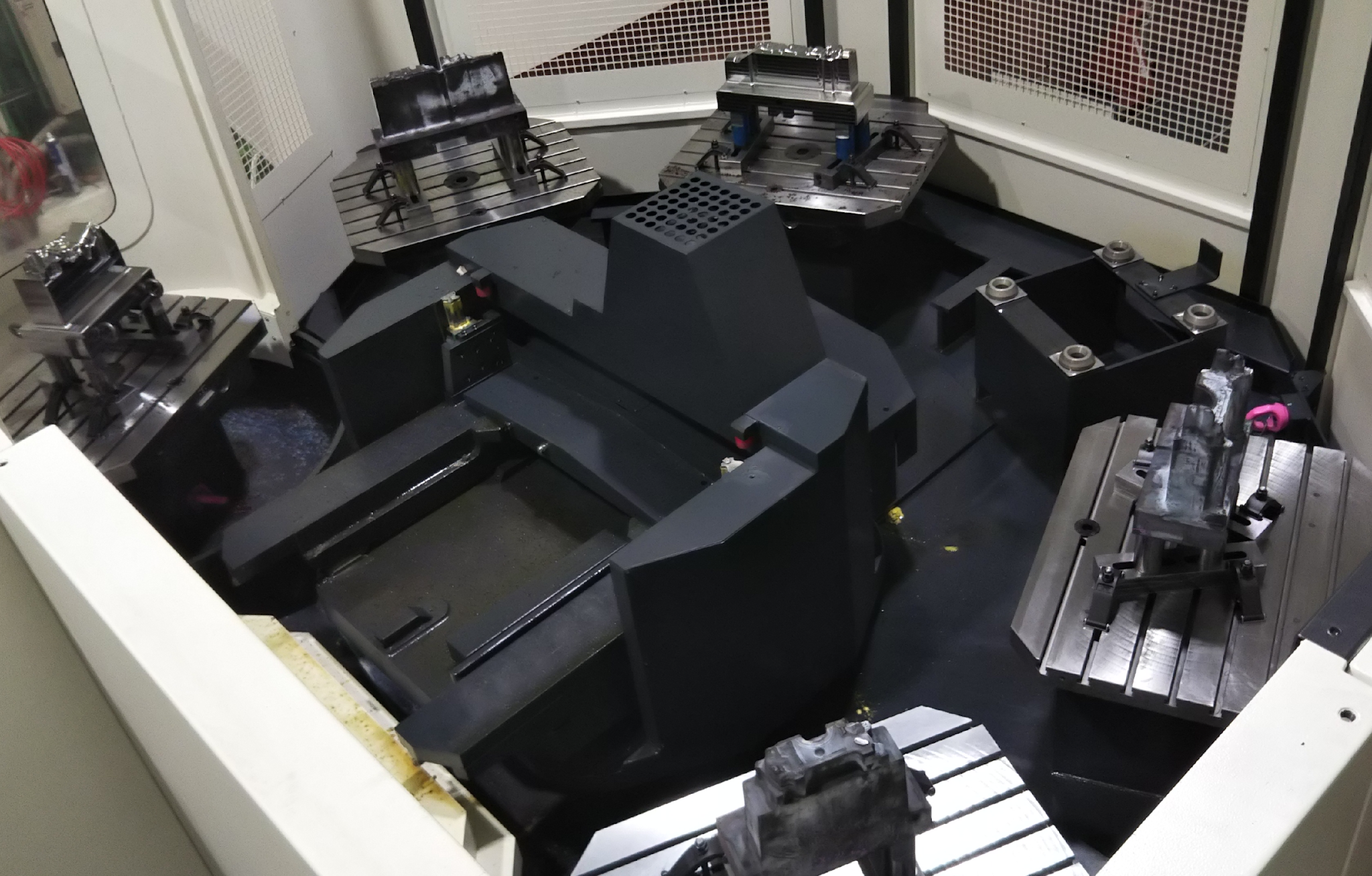
Our company has long maintained stable operations, serving some of the most reputable companies in
Japan’s automotive industry.
However, today’s tooling industry is facing intense price competition.
To secure our future, it is essential for us to take on the challenge of expanding our presence in
the global market and emerging as a winner.
Achieving this will require a complete transformation of our processes – from design to
manufacturing.
Developing unique technologies found nowhere else and establishing new business models will be our
mission going forward.
Innovation & Challenge
Transforming the Future of Manufacturing and the Environment with Cutting-Edge Technology
In addition to conventional die-casting mould manufacturing, we are pioneering innovation
through our proprietary technology by developing porous moulds using metal additive
manufacturing (AM) with 3D printers.
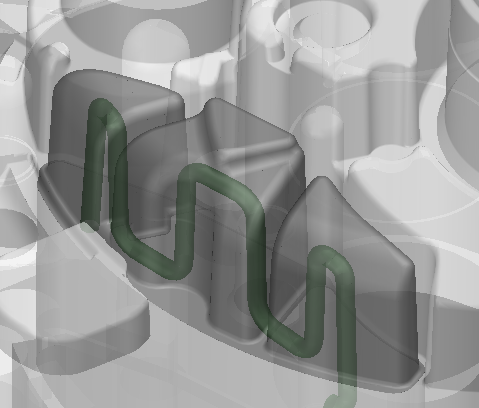
By utilizing the microscopic pores on the mould surface — a key feature of porous moulds —
we can add new functionalities, creating entirely new types of moulds.
This opens up infinite possibilities for manufacturing and enables the creation of a
wide variety of products.
Porous mould technology is expected to play a significant role not only in the automotive
industry, but also in fields such as aerospace and healthcare.
Our new technology enables products and functions that were difficult to achieve with
conventional moulds.
It also allows us to offer new value propositions to our customers, such as:
Reducing the use of release agents, improving workplace environments
Shortening casting cycles, leading to significant cost reductions
Furthermore, die-cast products
manufactured using our moulds help our customers reduce the number of components, achieve
weight reduction, and promote recyclability.
This contributes to better fuel efficiency and improved parts reuse — addressing global
environmental challenges.
Our research and development efforts are indispensable in tackling some of the most pressing global issues, including environmental and energy challenges and aging societies.
Business
Diversification
Launching New Ventures and Expanding Our Business Horizons
In today’s competitive market, manufacturing moulds alone is no longer enough to stay ahead. To differentiate ourselves and strengthen our brand, we must leverage our deep manufacturing expertise and the capabilities of our moulds to create innovative products—driving true business diversification.
In our core mould business, we will continue developing a broad range of products for the global market, proactively introducing solutions tailored to the unique needs of each region. By embracing cutting-edge technologies, we aim to deliver high-value products that showcase our distinctive strengths. Looking ahead, we also plan to evolve our factory into a Smart Lab to enhance product promotion, sales activities, and productivity.
As automation with robotics, IoT, and AI becomes increasingly costly, we will accelerate our environmental improvements by transforming our factory into a showroom—a product in itself. We will also commercialize the internal innovations we create to support production, launching them as S-LABO products. These solutions will be offered not only in Japan but also worldwide, establishing a new pillar of our business.
We are committed to elevating the status of our entire industry and contributing to a more convenient and efficient world. As professionals in the mould industry, our mission is to deliver the best solutions possible.
Our Services
We go beyond simple manufacturing — we design and deliver solutions with passion and
precision.
Our mission is to create moulds and metal components that not only meet technical requirements
but also inspire innovation for our customers’ products.
By integrating advanced manufacturing techniques with our proprietary technologies, we
continuously push the boundaries of what is possible.
We focus on quality, speed, and sustainability, ensuring that every product we deliver helps our
clients improve performance, reduce costs, and contribute to a better future.
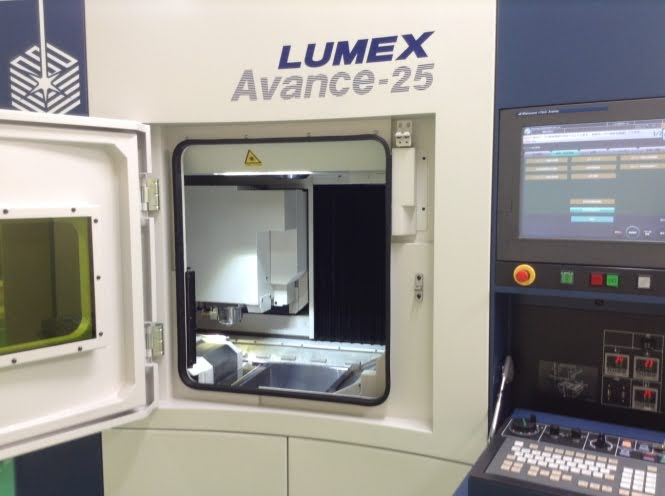
We provide comprehensive solutions that combine advanced manufacturing and proprietary technology:
01
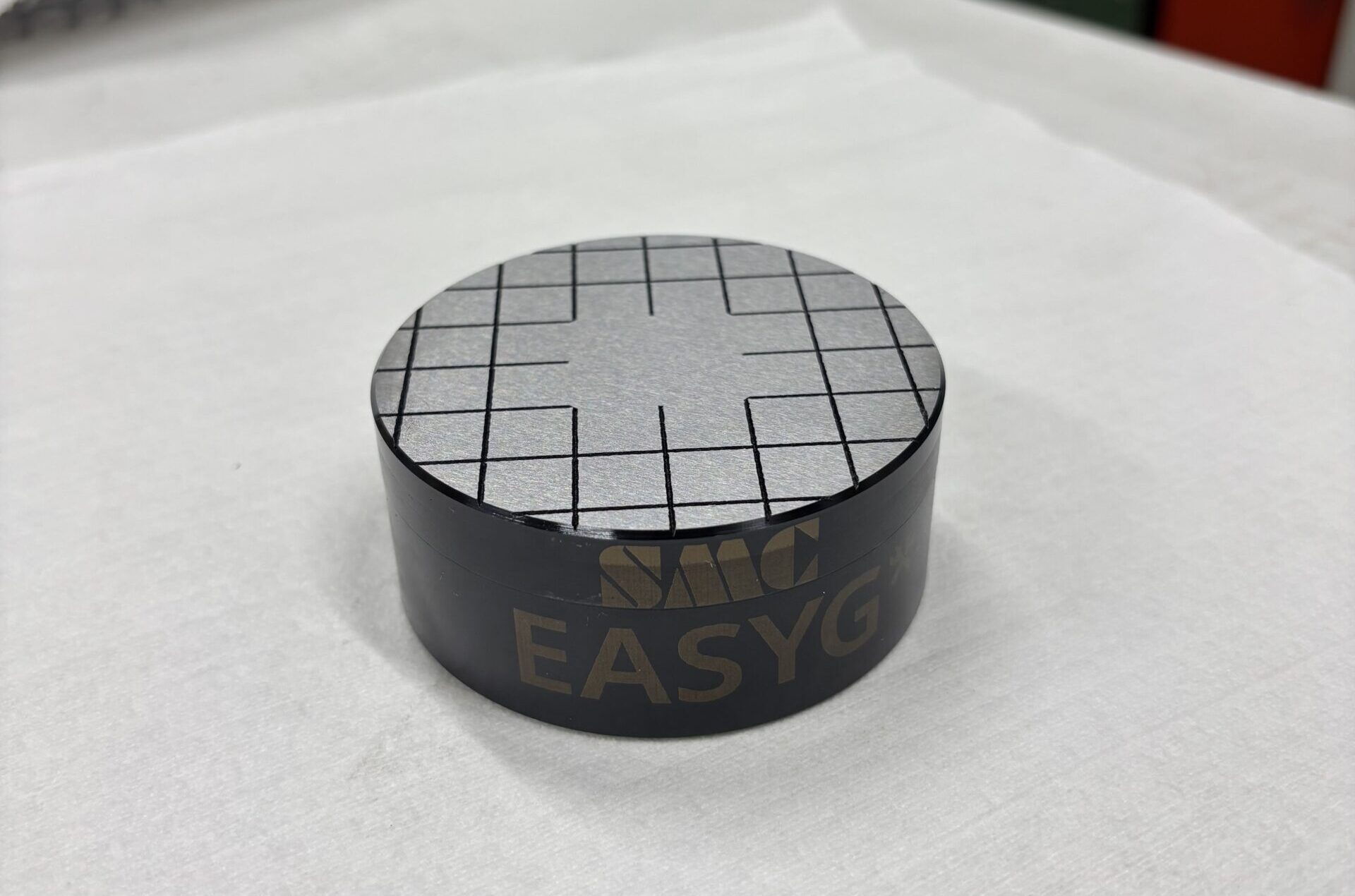
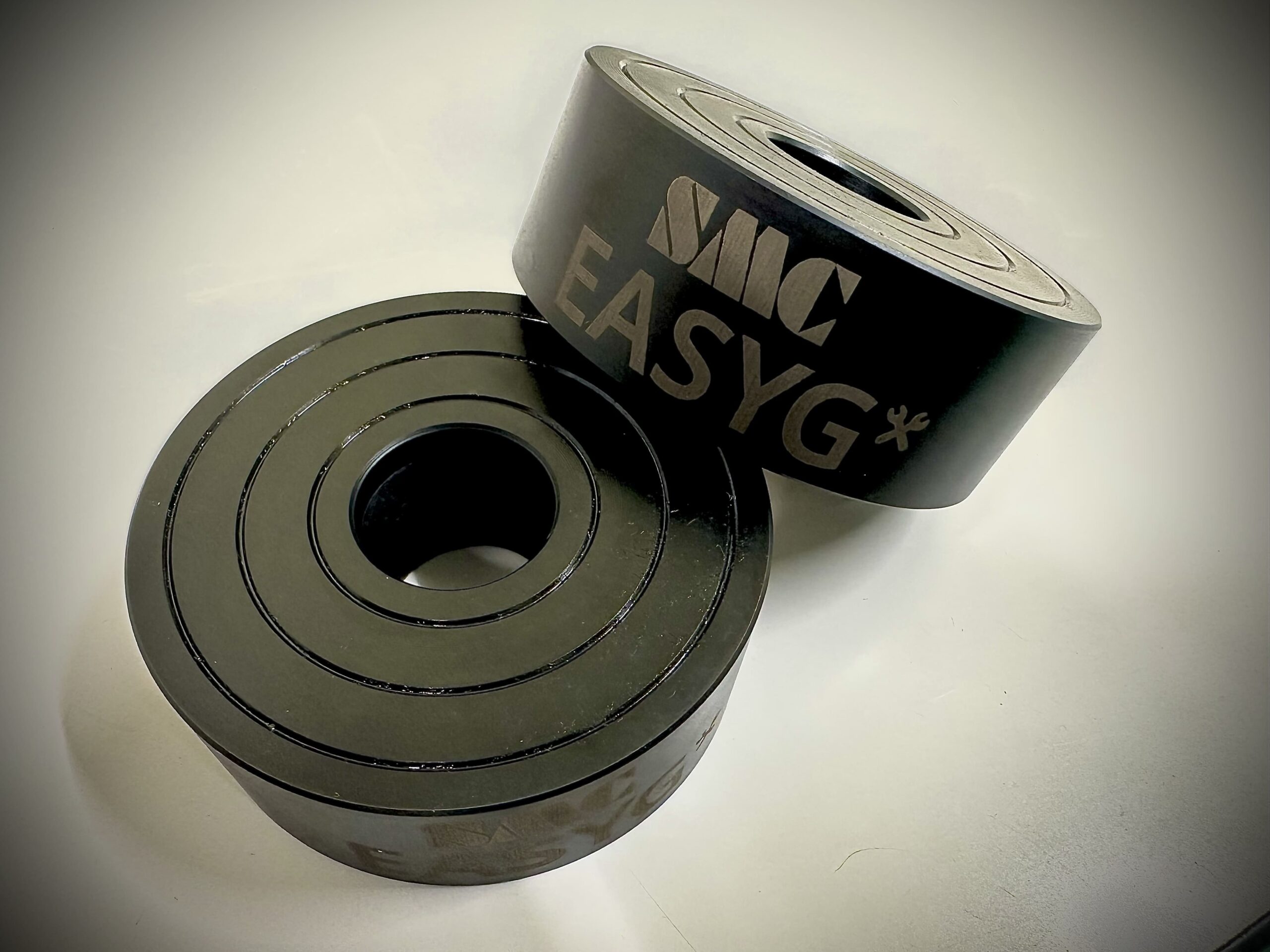
Precision Jack “EASYG”
02
EASYG (New Ring-Type Model)

03
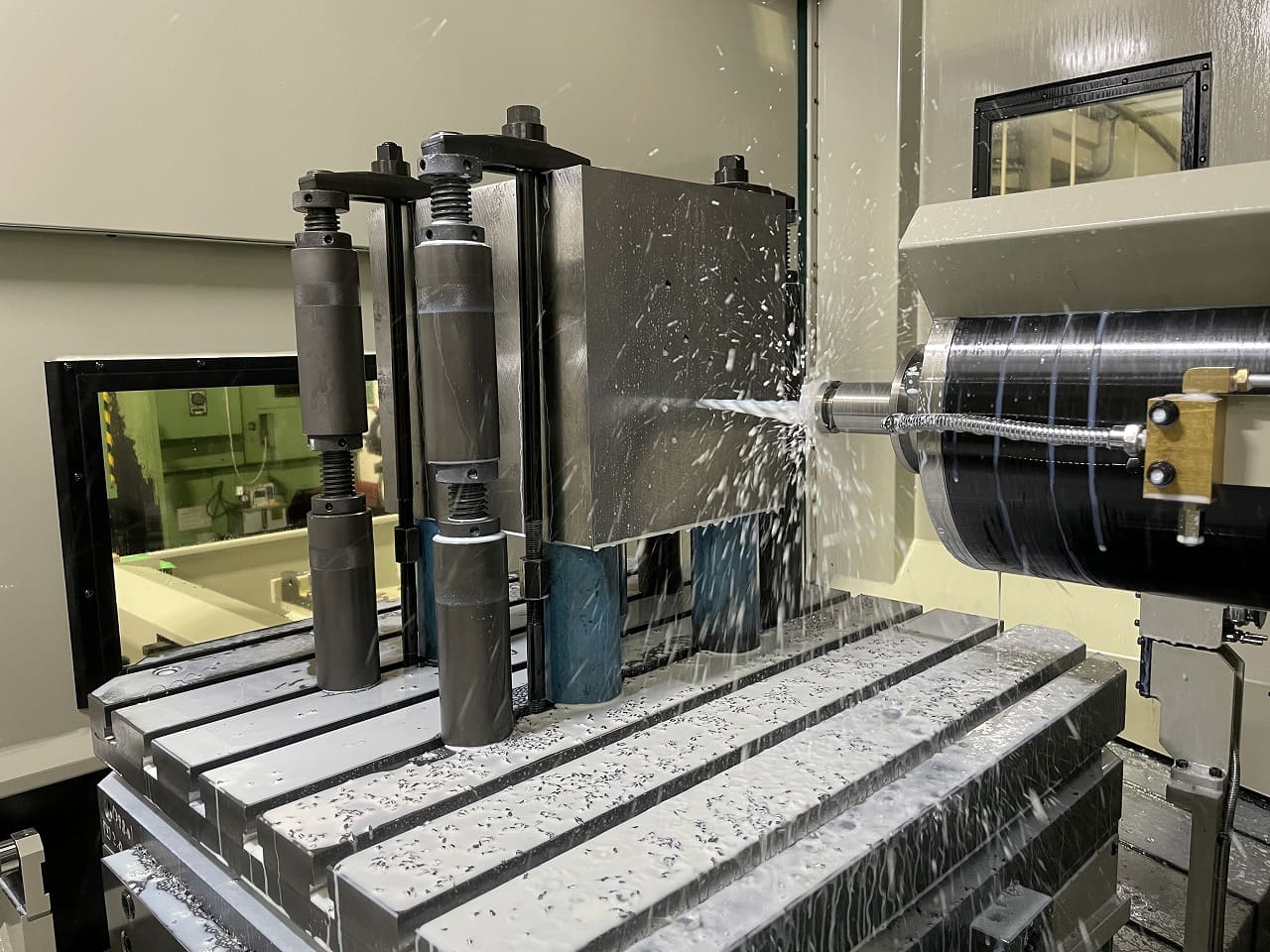
Grill Q

About Us
At our company, we’ve led the way in die-casting mould manufacturing by consistently embracing new
ideas and technologies.
We remain committed to pushing the boundaries of what’s possible in manufacturing and further
strengthening our impact on the industry.
News
-
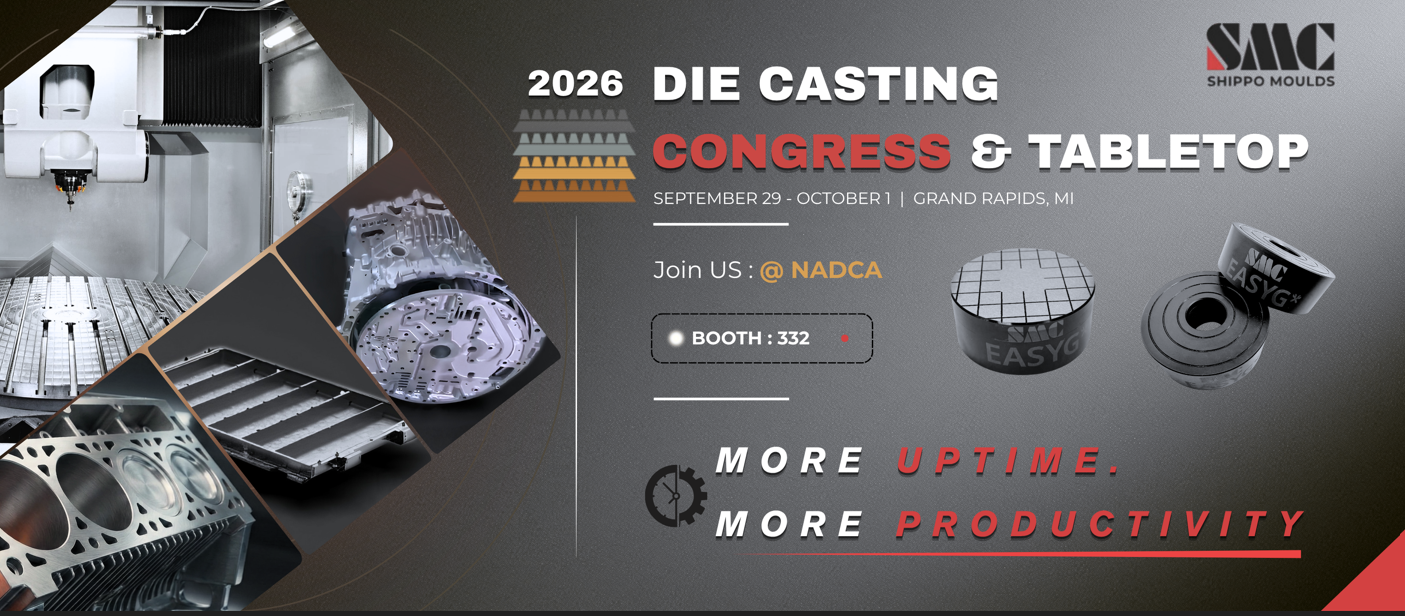
Shippo Moulds Co., LTD. to Exhibit at NADCA Congress & Tabletop 2026
We are pleased to announce that Shippo Moulds Co., LTD. and our team will be exhibiting at the NADCA Die Casting Congress & Tabletop 2026.
The event will bring together professionals and industry leaders from the die casting industry, providing an excellent opportunity to exchange ideas, explore the latest technologies, and build new connections.
Event Details
Event: NADCA Die Casting Congress & Tabletop 2026
Date: September 29 – October 1, 2026
Location: Grand Rapids, Michigan, USA
Booth: #332If you are attending the event, we invite you to visit us at Booth #332.
We look forward to meeting you in Grand Rapids and sharing our expertise and solutions in die casting tooling.
09/14/2026
NEWS -

Balance Durability and Quality: Essential Knowledge for Selecting Long-Life Moulds
Core Technical Factors Behind Mould Durability
1. Steel Grade and Heat Treatment
Material selection is widely recognized as one of the most influential factors affecting Mould service life. High wear-resistant tool steels and heat-resistant hardened steels are commonly used to handle repeated Moulding stress, and appropriate heat treatment helps support structural stability.
Industry sources also emphasize that heat treatment quality can play a major role. If temperature control is insufficient or cooling is uneven, internal stress may develop, increasing the risk of deformation or cracking. Because of this, Mould manufacturers with metallurgical knowledge and heat-treating capability tend to be better positioned to produce durable Moulds.2. Structural Design and Stress Distribution
Durable Moulds do not rely on material strength alone. Engineering decisions—such as coolant passage layout, parting surface shape, shrinkage allowance, and stress-dispersion structure—can influence wear behavior. Structural analysis and CAE simulation are widely adopted across Mould design fields to anticipate deformation and reduce stress concentration around critical regions.
When these design approaches are applied, manufacturers may achieve more stable dimensional repeatability and reduce damage to wear-sensitive areas.3. Machining Accuracy and Surface Finishing
Precision machining is another well-established contributor to Mould longevity. If forming surfaces are uneven or rough, abrasion can progress faster, and inconsistent tolerances may lead to product rejection or component failure.
High-precision milling machines, Electrical Discharge Machines (EDMs), and careful finishing processes play a significant role in ensuring dimensional stability.Skilled machinists and inspection personnel are also essential, as factors such as tool wear management, decision-making on machining conditions, and measurement accuracy directly affect the long-term performance of the Mould.
Identifying Capable Long-Life Mould Manufacturers
When evaluating Mould suppliers, companies often value the following capabilities:
High-Precision Processing Technology
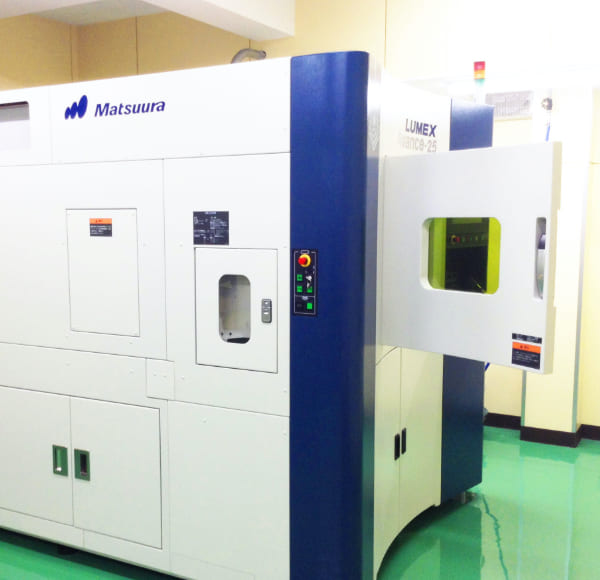
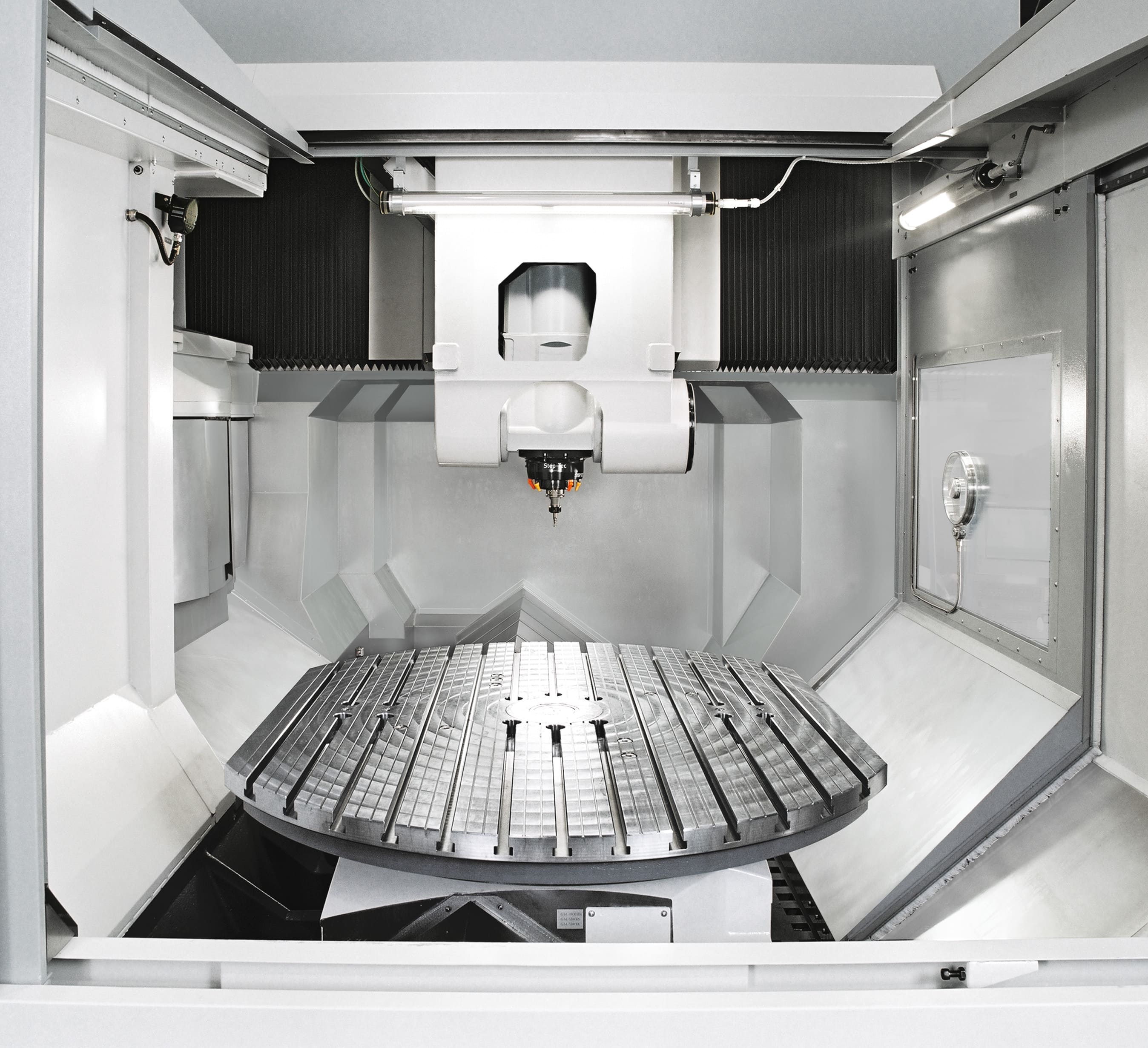
Equipment such as 5-axis machining centers and high-accuracy EDM systems allow detailed surface formation and tolerance control. However, machinery alone does not guarantee Mould life. Engineering expertise, finishing skill, and internal quality standards also contribute to reliable output.
Material and Heat Treatment Knowledge
Every Moulding application—resin, aluminum, rubber, or metal—requires a suitable steel selection and hardness balance. Manufacturers familiar with these conditions are better positioned to recommend appropriate solutions.
Inspection and Measurement Systems
Measurement equipment such as Coordinate Measuring Machines (CMMs) and 3D scanners ensures accurate dimensional inspection. A system that clearly presents measurement data makes it easier to verify quality and maintain traceability.
Project Experience and Case Transparency
Suppliers with experience in high-demand sectors—such as automotive and industrial equipment—often possess deeper understanding of stress behavior, cooling strategies, and tolerance management. Public information about past project types and supported industries can help customers evaluate capability.
Durability-Focused Mould Manufacturing at Shippo Moulds Co., Ltd
Shippo Moulds Co., Ltd, as a long‑established Japanese Mould manufacturer, combines materials engineering, precision machining, and stress‑considered design to produce Moulds that support long‑term Moulding performance. The company selects steel materials according to Moulding environments such as material type, Moulding conditions, and temperature changes (thermal cycles), and examines heat‑treatment methods to suppress deformation and wear.
Shippo also incorporates mechanical analysis and CAE simulation to evaluate stress concentration. These engineering processes are intended to assist dimensional stability and support Mould strength across repeated Moulding operations.
Furthermore, strong emphasis is placed on surface finishing. Through the application of direct machining, the removal of the white layer by shot blasting, and careful polishing performed by skilled technicians, the Moulding surfaces are finished in a way that suppresses crack propagation. This contributes to improved Moulding efficiency and appearance quality.
In addition to manufacturing, lifecycle services such as Mould repair, maintenance, cooling‑channel cleaning, Mould‑matching checks, and Mould inspections are also provided. Continuous support helps maintain stable operation and reduces the risk of unexpected downtime over the long term.
Summary
A long-life Mould is not simply defined by material hardness or production cost—it reflects a combination of structural design, machining accuracy, heat treatment control, and ongoing maintenance. When these elements are integrated, manufacturers may benefit from improved production stability, fewer interruptions, and more predictable operating schedules.
For companies seeking durable Moulds with technical depth and engineering transparency, Shippo Mould Industry provides a structured approach that emphasizes design analysis, material knowledge, and precision processing. While individual Moulding conditions influence performance outcomes, long-term engineering focus can offer valuable support toward efficient mass production and consistent part quality.
03/25/2026
Mould -
How to Choose a Reliable Mould Manufacturer: The Key to Product Quality and Production Efficiency
Why the Right Mould Manufacturer Matters for Product Quality and Production Efficiency
In manufacturing industries such as automotive, motorcycle, and agricultural machinery, Moulds play a central role in determining product geometry, consistency, and production stability. Because Moulds directly influence forming accuracy, cooling behavior, and cycle time, the capability of the Mould supplier has a meaningful impact on overall manufacturing performance. Selecting a reliable Mould manufacturer therefore becomes an important business decision—not only a technical one.
High-quality Moulds help support stable Moulding operations, reduce the likelihood of dimensional variation, and make it easier to maintain consistent production conditions over long runs. When Moulds are designed with careful attention to part geometry and Moulding requirements, companies may achieve smoother production setup and more predictable quality during mass production. As a result, choosing an experienced Mould supplier contributes to long-term operational stability.
Key Factors to Evaluate When Selecting a Mould Manufacturer
1. Machining Technology and Equipment Capabilities
Manufacturers that invest in advanced machining equipment—such as 5-axis machines, high-precision machining centers, and EDM systems—are better positioned to handle complex part shapes and detailed features. These capabilities support accurate Mould fabrication and help maintain consistency throughout the production lifecycle. Companies with a history of technical investment often demonstrate strong production readiness and familiarity with industrial requirements.
2. Mould Design Experience and Engineering Insight
Effective Mould design requires understanding both part specifications and Moulding behavior. Manufacturers with experienced design engineers can propose suitable structures that align with part geometry, gate positioning, cooling layout, and other Mould-related factors. This engineering capability helps improve stability during Moulding trials and contributes to efficient production setup.
3. Material Knowledge and Durability Considerations
The selection of steel and surface treatments influences wear resistance and long-term durability. Manufacturers experienced in choosing materials for automotive and industrial applications can design Moulds that support sustained production without excessive maintenance. Proper heat-treatment and machining practices further contribute to long-term performance.
4. Quality Control and Dimensional Inspection
A structured inspection and measurement process is essential for verifying Mould accuracy before production launch. Manufacturers that conduct dimensional checks—such as 3D measurements or detailed inspection reports—help reduce risks during Mould trials. Clear documentation and traceability also provide confidence during mass-production preparation.
5. Project Management and Delivery Reliability
Mould manufacturing involves multiple machining stages. Suppliers with established scheduling systems and in-house processing capability are typically better able to maintain delivery timelines. Stable delivery performance is especially important in industries with strict production schedules.
Why Manufacturers Choose Shippo Moulds Co., Ltd
Shippo Moulds Co., Ltd is a long-established Mould manufacturer based in Japan, supplying Moulds for the automotive, motorcycle, and agricultural machinery sectors. The company has accumulated machining expertise through years of supporting demanding industrial applications. Their experience with complex part geometries and high-precision requirements enables them to handle projects that require careful engineering control.
Shippo Moulds Co., Ltd provides custom Mould design aligned with part shape, Moulding conditions, and production volume. With experience developing Moulds for diverse industrial components, they aim to support consistent dimensional performance and long-term usability. The company also performs manufacturing and inspection processes aligned with the needs of industrial customers, contributing to stable Mould launch and production preparation.
With participation in industry exhibitions such as INTERMould and a history of serving markets that require strict quality expectations, Shippo Moulds Co., Ltd continues to be recognized as a dependable partner for companies seeking Japanese Mould technology.
Summary
Selecting a qualified Mould manufacturer is essential for achieving stable production and reliable product quality. Evaluating machining capability, design expertise, material knowledge, inspection systems, and delivery management helps manufacturers build a strong foundation for long-term operational success.
With extensive experience supplying Moulds for automotive, motorcycle, and agricultural machinery applications, Shippo Moulds Co., Ltd offers engineering capabilities and production know-how built on decades of industrial support. Companies looking for dependable Mould manufacturing solutions can benefit from partnering with a supplier that understands both precision requirements and real-world production needs.
03/15/2026
Mould
FAQ
-
Q1. What is die casting?
Die casting is a manufacturing process where melted metal—often aluminum—is injected into a mould to create a specific shape.
It’s commonly used to make things like automotive engine parts and metal smartphone covers. -
Q2. What is a mould?
In simple terms, it’s a “metal mould” used to form products.
Just like using a cookie cutter, molten metal is poured or injected into the mould so the same shape can be produced again and again. -
Q3. What are die-casting moulds made of?
They are mainly made from extremely hard steel known as “tool steel.”
Since the mould must endure very hot aluminum thousands of times, it needs to be both strong and highly heat-resistant. -
Q4. How long does a mould last?
It depends on how it’s used, but moulds for aluminum die casting typically last between 50,000 and 100,000 cycles.
With proper maintenance and careful operation, they can last even longer. -
Q5. How expensive is a mould?
The cost varies depending on the product’s size and complexity.
Even small moulds can cost several million yen, while large automotive moulds can cost tens of millions.
They truly are the “core of manufacturing.” -
Q6. How long does it take to make a mould?
It usually takes 2 to 6 months from design to completion.
Achieving the required precision involves multiple rounds of machining, assembly, and test runs (called “tryouts”). -
Q7. What causes moulds to break?
The main causes are heat and pressure.
Repeated exposure to high-temperature aluminum can lead to cracks, wear, or surface damage. -
Q8. Can moulds be repaired?
Yes.
Cracks and scratches can be repaired through welding, grinding, and polishing.
Fixing issues early helps significantly extend a mould’s lifespan. -
Q9. What’s inside a die-casting mould?
Inside the mould are cooling channels that cool the molten metal and ejector pins that push the solidified part out.
It has a very precise, complex structure—almost like the “heart” of a machine. -
Q10. Why is die casting used so often?
Because it allows manufacturers to produce high-quality parts quickly and in large quantities.
It creates smooth surfaces and accurate dimensions, which reduces the need for extra processing.
Die-cast parts are found everywhere—from cars and appliances to cameras.